
Three out of four new vehicles sold in America this summer burned gasoline or diesel and nothing else. That’s what ICE vehicles are: cars and trucks driven only by an internal combustion engine. They’re still the default, but with regular gas at $4.22 a gallon on October 29, 2026, our view is that most commuters should now treat a regular hybrid as the starting point and buy pure gas only for a specific reason.
Quick answer: An ICE vehicle is any car or truck powered only by an internal combustion engine burning gasoline or diesel. Hybrids add an electric motor and battery but still use an engine, while EVs have no engine at all. Most new US vehicles are still pure ICE, though hybrids reached 16.3% of sales in mid-2026.
Last updated: October 31, 2026
What does ICE mean in cars?
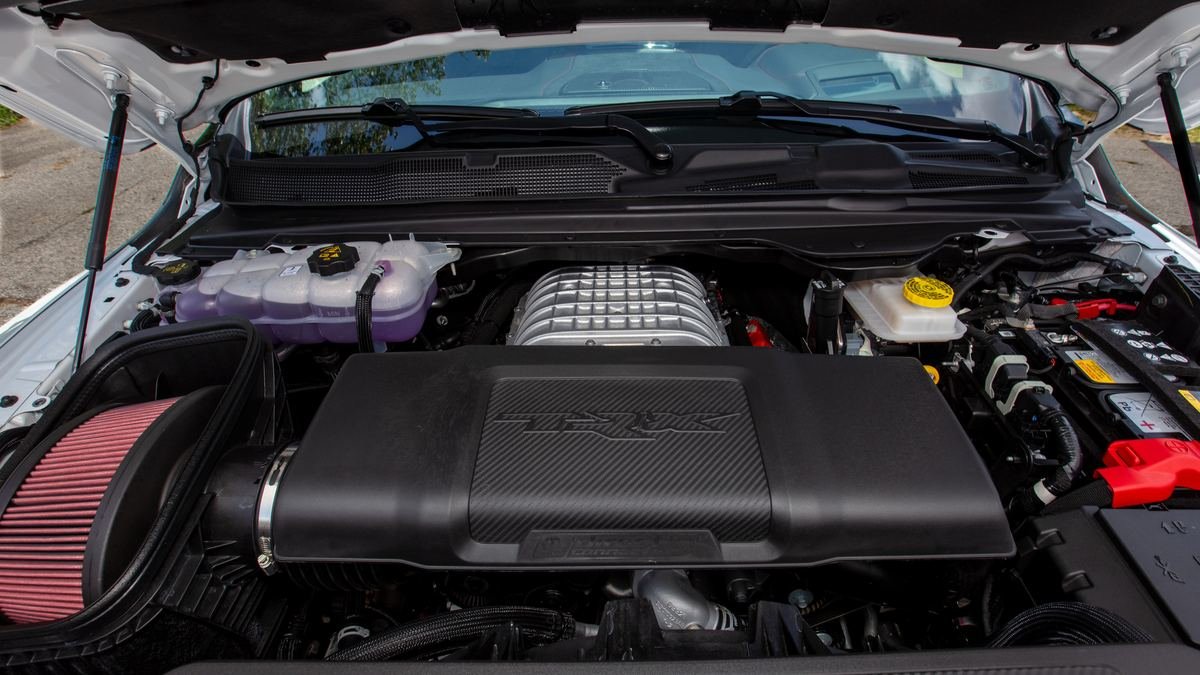
ICE stands for internal combustion engine. Fuel burns inside sealed cylinders, the expanding gas pushes pistons down, and a crankshaft turns that motion into rotation the transmission sends to the wheels. The Department of Energy’s Alternative Fuels Data Center splits ICE cars into two types: gasoline engines that light the air-fuel mix with a spark plug, and diesels that ignite it by compression alone.
Around that engine sit the parts you pay to maintain: a fuel tank and pump, injectors, an exhaust system with a catalytic converter, a 12-volt battery for starting, and an engine computer that sets fuel mixture and ignition timing. People also use the term ICE cars as shorthand for anything that isn’t electric, which causes confusion with hybrids. We’ll get to that.
Why do ICE vehicles waste so much fuel?
Heat. According to the EPA and Energy Department site FuelEconomy.gov, only about 12% to 30% of the energy in the gasoline you buy moves a conventional car down the road, depending on how you drive. Most of the rest leaves the engine as heat through the radiator and tailpipe, with smaller losses to friction, pumping air and idling.
An EV turns more than 77% of the electricity it draws from the grid into power at the wheels, the same site says. That gap is the whole argument for electrification in one number. It also explains why ICE fuel economy collapses in city traffic: every red light throws away braking energy as heat, and an idling engine burns fuel while the car goes nowhere.
ICE cars vs hybrids, plug-ins and EVs: what’s the difference?
| Type | What drives the wheels | Plug in? | Maintenance compared with ICE |
|---|---|---|---|
| ICE (gas or diesel) | Engine only | No | Baseline: oil changes, filters, spark plugs, exhaust |
| Hybrid (HEV) | Engine plus electric motor | No | Similar, but brakes usually last longer |
| Plug-in hybrid (PHEV) | Motor first, engine when the battery runs low | Yes | Similar to ICE |
| Battery electric (EV) | Electric motor only | Yes | Less: no engine oil, fewer moving parts |
A hybrid is still an ICE vehicle in the sense that it can’t move far without burning fuel. What it adds is regenerative braking, which turns the motor into a generator when you slow down, plus electric assist so a smaller engine can do the job. The engine also shuts off at stops instead of idling.
Watch the labels on the window sticker. Some trucks pair a gas V8 with a small belt-driven motor-generator, which Ram calls eTorque. It helps the engine, but it can’t drive the truck on electric power, so compare its fuel cost the way you would any gas truck.
How many new cars are still pure ICE?
Kelley Blue Book estimates that 262,649 EVs were sold in the third quarter of 2026, 6.4% of the new-vehicle market, Cox Automotive reported on October 12. Counting hybrids and plug-ins, nearly 25% of sales were electrified in some way, which leaves roughly 75% as pure ICE vehicles. Hybrids alone hit 16.3% of sales at the middle of 2026, up from around 5% in 2023, according to Cox’s September 24 forecast as reported by Car Dealership Guy.
Is a hybrid worth the extra money over an ICE car?
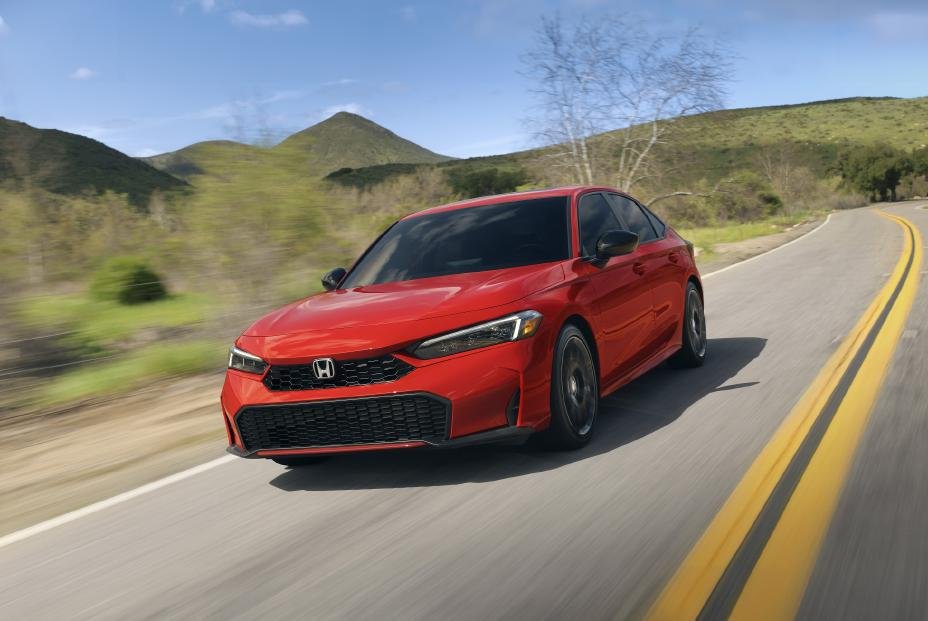
The cleanest test is one car sold both ways. Honda’s October 8 pricing release for the 2027 Civic Sedan lists the gas Sport at $26,995 and the Sport Hybrid at $29,695, both before a $1,295 destination charge. The gas car is EPA-rated at 34 mpg combined, the hybrid at 49.
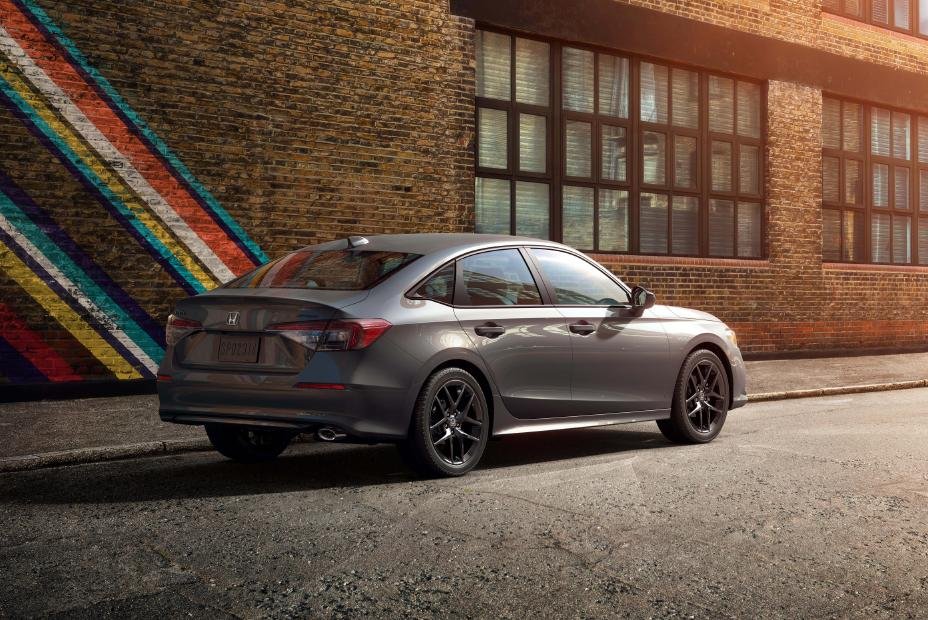
| 2027 Civic Sedan | MSRP | EPA combined | Fuel per year at 12,000 miles | Fuel per year at 15,000 miles |
|---|---|---|---|---|
| Sport (gas) | $26,995 | 34 mpg | $1,489 | $1,862 |
| Sport Hybrid | $29,695 | 49 mpg | $1,033 | $1,292 |
| Difference | $2,700 | 15 mpg | $456 saved | $570 saved |
At 12,000 miles a year the hybrid’s $2,700 premium pays back in about 5.9 years. Drive 15,000 miles and it’s 4.7 years. Most of that saving comes in town, where the hybrid’s city rating of 50 mpg beats the gas car’s 31 by the widest margin, so a highway commuter will see a slower payback.
The common mistake is comparing the hybrid with the cheapest gas trim. The base Civic LX is $24,995, but the Sport Hybrid’s real rival is the Sport or the new $28,495 Sport-L, which match it more closely on equipment. Compare like for like, and the hybrid premium shrinks to $1,200 against the Sport-L.
When does a pure ICE vehicle still make sense?
Two cases stand out. The first is towing: heavy trailers need sustained power for hours, and gas and diesel trucks still own that job; our 6.0 LS engine guide covers one gas V8 GM built for that work. The second is low mileage. At 8,000 miles a year, the Civic’s $2,700 hybrid premium takes about 8.9 years to recover at today’s gas price.
Charging decides the EV question. Without a home charger, you’re relying on public stations. FuelEconomy.gov notes a full EV recharge can take 3 to 12 hours, and a fast charge to 80% around 30 minutes. If you can charge at home, look at an EV like the 2027 Mustang Mach-E; if you can’t, hybrids such as the 2027 Kia Sorento Hybrid or the hybrid-only 2027 Lexus NX are worth a look.
Are ICE vehicles being banned?
Not nationally. California planned to end sales of new gas-only cars by 2035, but Congress voted in May 2025 to revoke the federal waiver that let the state enforce the rule, and California said it would sue, Axios reported on May 22, 2025. That fight isn’t settled, so the rules for 2035 could still change.
For a car you buy this year, fuel prices and charging access matter more than 2035 rules. EV batteries carry their own risk: the Energy Department says they may last 12 to 15 years in moderate climates and 8 to 12 in severe ones, and many automakers cover them for 8 years or 100,000 miles.
ICE vehicle questions drivers are asking
What does ICE stand for in cars?
ICE stands for internal combustion engine. An ICE vehicle burns gasoline or diesel inside the engine’s cylinders, and that combustion pushes pistons that turn the crankshaft and, through the transmission, the wheels. Most gas cars light the fuel with a spark plug, while diesels ignite it with compression alone.
Is a hybrid car an ICE vehicle?
A regular hybrid still has an internal combustion engine and runs on gasoline, so it isn’t an EV. It adds an electric motor and small battery that recover braking energy and help the engine, which raises fuel economy. A 2027 Honda Civic Sport Hybrid is rated at 49 mpg combined, against 34 for the gas Sport.
Will gas cars be banned in the US?
There’s no national ban. California’s plan to end sales of new gas-only cars by 2035 lost its federal waiver when Congress voted to revoke it in May 2025, and California said it would challenge that in court. You can still buy and drive ICE vehicles in every state.
Run the numbers on your own mileage before you sign. At $4.22 gas, a driver covering 15,000 miles a year in the hybrid Civic keeps $570 a year that the gas version burns, which is the clearest case yet that pure ICE vehicles now need a reason to be the default choice.