
Ask five truck owners what a 6.0 LS engine is and you can get five different engines. GM built at least seven 6.0-liter V8s between 1999 and 2020, from a 300-hp iron-block work truck motor to an aluminum Corvette engine. If you’re buying a used truck or a junkyard engine for a swap, the RPO code matters more than the displacement, and the one to hunt for is the L96 from a 2010–2019 heavy-duty truck.
Quick answer: The GM 6.0 LS engine is a 364-cubic-inch small-block V8 sold from 1999 to 2020. Truck versions are the LQ4, LQ9, LY6 and L96, with 300 to 364 hp and iron blocks. The LS2 and L76 use aluminum blocks. The L96 makes 360 hp and 380 lb-ft and has no cylinder deactivation.
Last updated: October 30, 2026
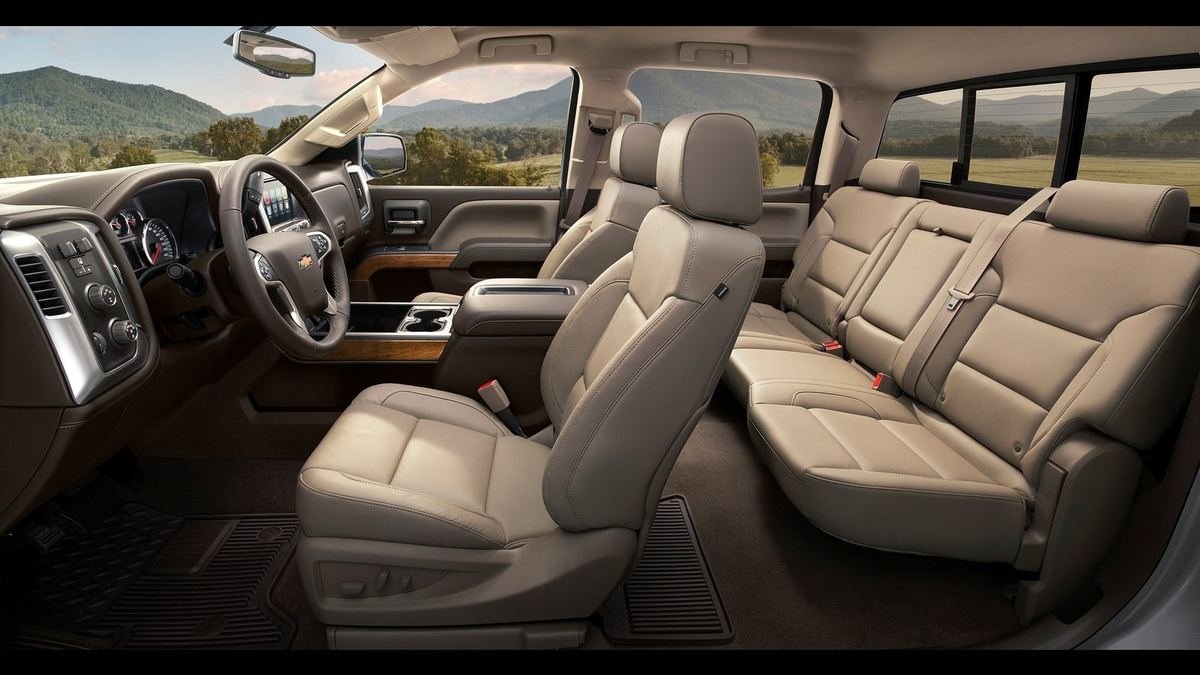
Which 6.0 LS engine is in your truck?
Every 6.0 shares a 4.000-inch bore and 3.622-inch stroke. The block, heads, compression and electronics change. Summit Racing’s OnAllCylinders engine guides list each version by the eighth digit of the VIN, which is the fastest way to identify one without pulling a valve cover:
| Engine (VIN code) | Years | Power | Block | Key hardware | Typical vehicles |
|---|---|---|---|---|---|
| LQ4 (U) | 1999–2007 | 300–330 hp, 360–370 lb-ft | Iron | Cathedral-port heads, iron heads on 1999–2000 | Silverado and Sierra 2500, Express, Hummer H2 |
| LQ9 (N) | 2002–2007 | 345 hp, 380 lb-ft | Iron | Flat-top pistons, 10.1:1 compression | Escalade, Silverado SS, VortecMAX trucks |
| LS2 (U) | 2005–2007 | 390–395 hp, 400 lb-ft | Aluminum | 10.9:1 compression, no VVT | Corvette, GTO, CTS-V |
| LY6 (K) | 2007–2010 | 364 hp, 383 lb-ft | Iron | Rectangle-port heads, VVT, no AFM | Silverado and Sierra HD, Suburban 2500 |
| L76 truck | 2007–2009 | Varies by model | Aluminum | VVT and Active Fuel Management | Vortec Max trucks, Pontiac G8 GT |
| L96 (G) | 2010–2020 | 322–360 hp, 373–382 lb-ft | Iron | VVT, E85-capable, no AFM | Silverado and Sierra HD, Express, Savana |
One trap with that table: the L96’s rating depends on the truck. GM certified 360 hp in Silverado HDs under 10,000 pounds GVWR, but only 322 hp at 4,400 rpm above that, according to GM Authority’s L96 spec sheet. A 3500HD dually that feels slower than a 2500 isn’t sick. It’s tuned that way.
What’s the difference between the LQ4 and LQ9?
The LQ4 uses dished pistons for 9.4:1 compression, while the LQ9 uses flat-top pistons for 10.1:1, according to OnAllCylinders. Higher compression squeezes the mixture harder before it burns, which is where the LQ9’s extra 15 to 45 hp comes from. Both use the same iron block and cathedral-port aluminum heads from 2001 on.
If you’re shopping for an LQ9 swap engine, check what you’re buying. GM put the LQ9 in the 2002–2006 Cadillac Escalade and the 2003–2007 Silverado SS, so a swap engine sold as an LQ9 may come from either. The VIN code N on the donor vehicle is your proof.
Why the LY6 and L96 are the best 6.0 years to buy
The Gen IV truck engines kept the iron block and added variable valve timing. VVT lets the computer retard the cam for low-rpm pulling and advance it for top-end power, so you get a broader torque curve from the same displacement. GM’s spec sheet for the L96 at GM Powered Solutions rates it at 360 hp at 5,400 rpm and 380 lb-ft at 4,200 rpm, with a cast-iron block, six-bolt main caps and a 6,000-rpm limit.
Just as important is what they don’t have. OnAllCylinders lists Active Fuel Management as “No” for both the LY6 and the L96. AFM shuts off four cylinders using two-stage lifters, and ChevyTrucks.org links it to oil consumption and low oil pressure complaints. The heavy-duty 6.0 never got those lifters.
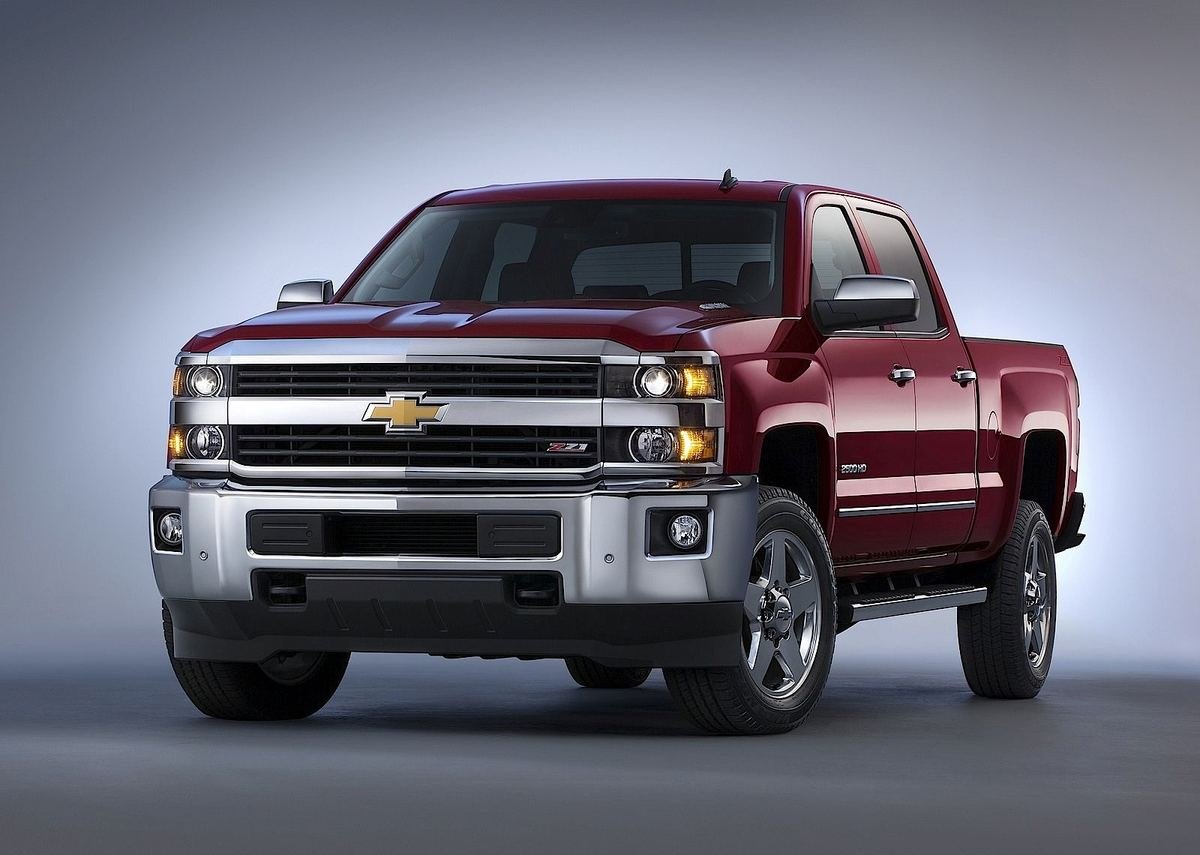
The L76 is the exception that catches swap buyers. It’s a 2007–2009 “Vortec Max” truck engine with an aluminum block, and OnAllCylinders confirms it has both VVT and AFM. A 6.0 sold as a Vortec Max can be an L76, which is not the same engine as the iron LY6 in a 2008 Silverado 2500HD.
What are the most common 6.0 Vortec problems?
Most are bolt-on parts. In its guide to Vortec 6000 problems, published May 14, 2020, 8020 Media’s ChevyTrucks.org names five: throttle position sensor faults, oil consumption tied to AFM, knock sensor failure, exhaust manifold leaks and water pumps. Of the versions above, only the L76 carries AFM, so the oil-consumption item doesn’t apply to most HD trucks.
The knock sensors are the one that costs labor. They sit in the lifter valley under the intake manifold, and ChevyTrucks.org says their sealant lets water in, which corrodes the wiring. A check engine light with knock codes and no audible knock usually means a dead sensor, and the fix means pulling the intake. If you’re buying a high-mileage 6.0, ask whether the sensors have been done.
Exhaust manifold bolts are the other classic: they snap, and you hear a cold-start tick that fades as the metal expands. ChevyTrucks.org puts water pump wear at around 150,000 miles.
How does the 6.0 compare with Ford’s 6.2 and Ram’s 5.7 Hemi?
On paper, the 6.0 was the weakest heavy-duty gas engine of the mid-2010s:
| Engine | Truck | Horsepower | Torque |
|---|---|---|---|
| GM 6.0L L96 | Silverado 2500HD | 360 hp @ 5,400 rpm | 380 lb-ft @ 4,200 rpm |
| Ford 6.2L 2-valve V8 | 2014 F-250 Super Duty | 385 hp @ 5,500 rpm | 405 lb-ft @ 4,500 rpm |
| Ram 5.7L Hemi V8 | 2016 Ram 2500 | 383 hp | 400 lb-ft |
The gap is 25 hp and 25 lb-ft against the Ford, which you’ll notice merging with a trailer and won’t notice anywhere else. The GM and Ford engines both make peak torque above 4,000 rpm, so a gas HD truck pulling a camper up a grade will sit at high revs whatever badge is on the grille. If you want low-rpm pulling, compare diesel years in our 6.7 Cummins buyer’s guide.
Where the 6.0 wins is the used market. Its iron block, no-AFM valvetrain and port fuel injection leave fewer expensive parts to fail than in a newer direct-injection engine. Ford has since moved on too: its 2027 Super Duty dropped its base engines.
What replaced the 6.0, and can you still buy one new?
GM’s 6.6-liter L8T took over in the 2020 Silverado HD and Sierra HD, and in the Express and Savana vans for 2021. GM says on its L8T spec page that the 6.6 makes 401 hp and 464 lb-ft, and that its torque is 22% higher than the previous 6.0L HD gas engines and arrives 200 rpm sooner. Direct injection allows its higher 10.8:1 compression.
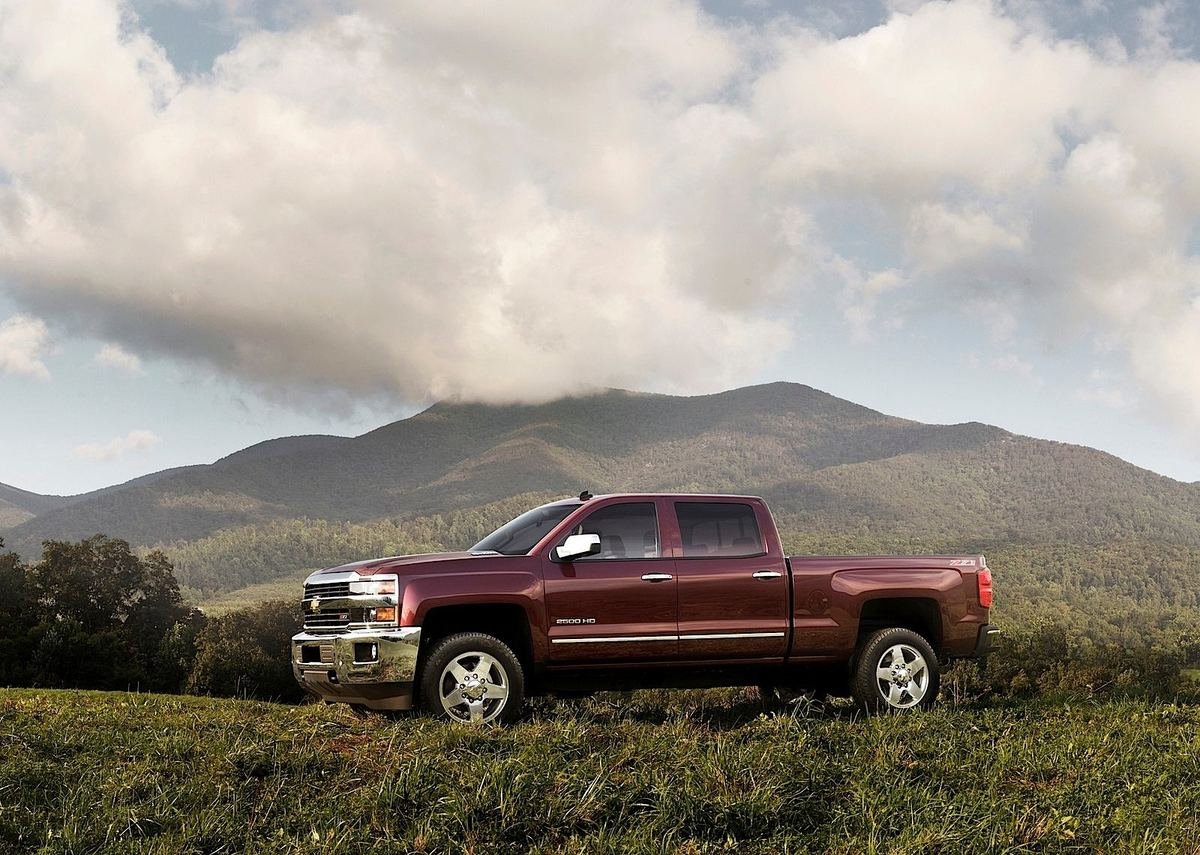
The 6.0 isn’t gone, though. GM Powered Solutions still lists the L96 as a new industrial engine assembled in Carrollton, Texas, for stationary, off-road and on-road commercial use.
A word on sources: GM no longer publishes consumer spec sheets for the older engines, so those figures come from Summit Racing’s database, which can differ by a few horsepower. Summit lists the LY6 at 364 hp, for example, while JEGS lists 361 hp. Summit also ends the L96 in 2017, but GM Authority’s records show it stayed in HD trucks through 2019 and the Express through 2020. GM’s current 6.2-liter V8 is a different engine, and our report on the GM 6.2L V8 recall covers its problems.
6.0 LS engine questions owners ask
Is the 6.0 LS a good engine?
Yes, especially the iron-block truck versions. The LY6 and L96 combine a cast-iron block, six-bolt main caps and variable valve timing, and they skip the Active Fuel Management lifters that fail on other GM V8s. The usual repairs are knock sensors, exhaust manifold bolts and water pumps rather than internal engine failures.
What years did GM make the 6.0 Vortec?
GM built the 6.0 truck engine from the 1999 model year, starting with the LQ4, until the L96 left the Silverado HD after 2019 and the Express van after 2020. The aluminum LS2 ran in the Corvette from 2005 to 2007. GM Powered Solutions still sells a new L96 for industrial and commercial use.
Does the 6.0 Vortec have AFM?
Most don’t. The LQ4, LQ9, LY6 and L96 truck engines have no Active Fuel Management, according to Summit Racing’s engine guides. The exception is the 2007–2009 aluminum-block L76, sold as the Vortec Max and used in the Pontiac G8 GT, which has both AFM and variable valve timing.
The 6.0 LS engine to buy
Check the eighth VIN digit before you hand over money. A G means an L96 with VVT and no AFM, built through 2019 in Silverado HDs, and that’s the 6.0 LS engine with the fewest weak points, which GM still builds new for industrial buyers.