
Rivian CEO RJ Scaringe dropped the kind of casual comment that sends automotive enthusiasts into full speculation mode. In a fresh interview with Reuters just days after the first customer-ready R2 SUVs started rolling out of the Normal, Illinois plant, he openly confirmed “other variants of R2” are in the works—without denying a compact pickup truck version and even floating the idea of a high-performance R2X. The timing couldn’t be better: Rivian is finally scaling its more affordable electric lineup while leaning on a flexible new Georgia factory and a major cash infusion from Volkswagen, now its largest shareholder at 15.9 percent.
It’s the kind of strategic layering that turned the larger R1T truck and R1S SUV into cult favorites. For anyone who’s been waiting for Rivian to go truly mainstream with something smaller, cheaper, and just as adventurous, these hints feel like the opening chapter of something big.
Why These R2 Variants Matter Right Now
The R2 was always meant to be Rivian’s volume play—the compact electric SUV designed to take on the Tesla Model Y head-to-head while keeping that signature Rivian blend of capability, tech, and fun. Deliveries of the first Performance models kick off this spring at around $59,000 with 656 horsepower and a claimed 300-plus miles of range. But building just one body style in a competitive segment is risky. Scaringe’s comments signal the company isn’t stopping at a single SUV; it’s building an entire affordable adventure family on the same platform.
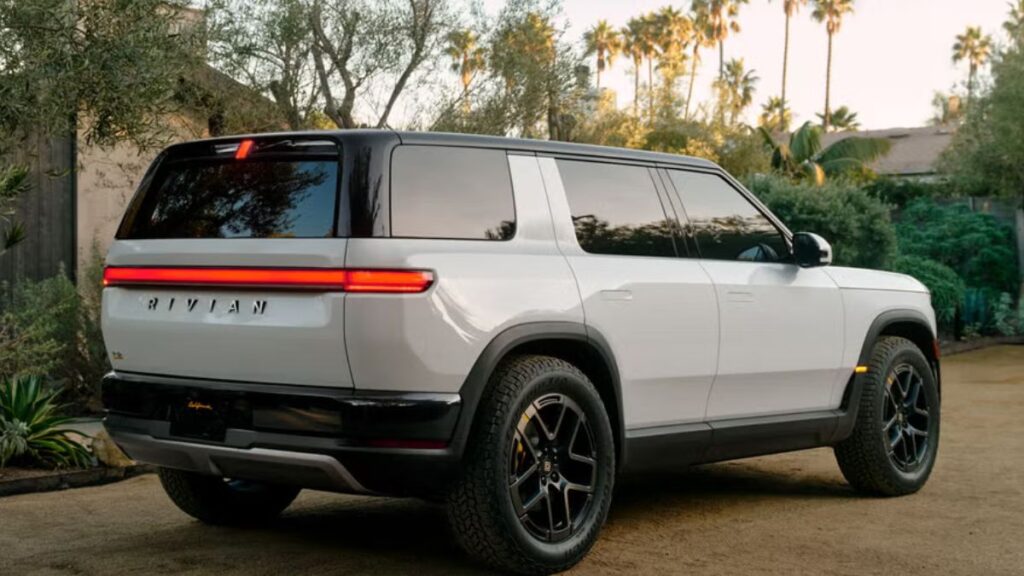
That approach worked brilliantly with the R1 lineup. One skateboard chassis underpins both the R1T pickup and the three-row R1S. Now Rivian wants to repeat the playbook at a lower price point, and the new Georgia factory is purpose-built for exactly that kind of flexibility.
The Georgia Plant: Designed for Multiple Body Styles
Here’s the real enabler. While the first R2s are coming together in Illinois, Rivian’s massive new facility outside Atlanta won’t start production until late 2028. Scaringe made it clear the Georgia line “allows for different variations.” That’s not throwaway corporate speak—it’s manufacturing strategy 101 for a startup that needs to maximize every dollar of capital expenditure.
Think about it: instead of retooling an entire line every time they want a new model, Rivian can swap body panels, adjust wheelbases slightly, and keep the core battery, motors, and electronics the same. It’s smart engineering that keeps costs down and excitement up. For enthusiasts, it means we could see an R2 Truck hitting roads as early as 2029 without waiting years for an all-new platform. [CITE SOURCE HERE – Reuters interview with RJ Scaringe, May 6, 2026]
Could the R2 Truck Be Rivian’s Next Big Hit?
A compact R2 Truck feels almost inevitable once you connect the dots. The R1T proved Americans still love electric pickups that can haul, tow 11,000 pounds, and scramble up trails. Scale that down to R2 size—roughly the footprint of a Ford Maverick or a future Tesla Cybertruck Junior—and you get something that could dominate the growing “midsize electric truck” space.
Imagine a five-foot bed, the same rugged underbody protection, and Rivian’s famous gear tunnel for stashing tools or coolers. Towing capacity might land around 4,400 pounds (matching the current R2 Performance), perfect for weekend boat hauls or horse trailers without killing range. Off-roaders would get the same adventure modes, air suspension options, and that low center of gravity that makes Rivians feel planted yet playful.
For daily drivers, it solves the biggest complaint about full-size trucks: they’re just too damn big for city parking and tight suburban streets. An R2 Truck could be the practical EV hauler that finally makes electric pickups feel normal instead of exotic. And yes, pricing would likely start in the low-to-mid $50,000s, undercutting bigger rivals while still delivering premium features.
The R2X: Performance That Could Steal the Show
Scaringe didn’t stop at trucks. He specifically name-checked the possibility of an “R2X,” echoing the already-teased R3X sport model for the even smaller R3 subcompact. If the R2X follows the same playbook as the current R2 Performance—dual motors making 656 horsepower—it could easily jump to a tri-motor setup pushing well north of 700 hp.
Picture 0-60 times dipping under 3.5 seconds in a compact package that still seats five and offers real cargo space. Semi-active suspension would sharpen handling for canyon carving while keeping the ride comfortable enough for daily commutes. Enthusiasts who love the R1T’s launch control but want something nimbler would eat this up. It’s the halo model that proves Rivian hasn’t forgotten the “fun” part of electric vehicles.
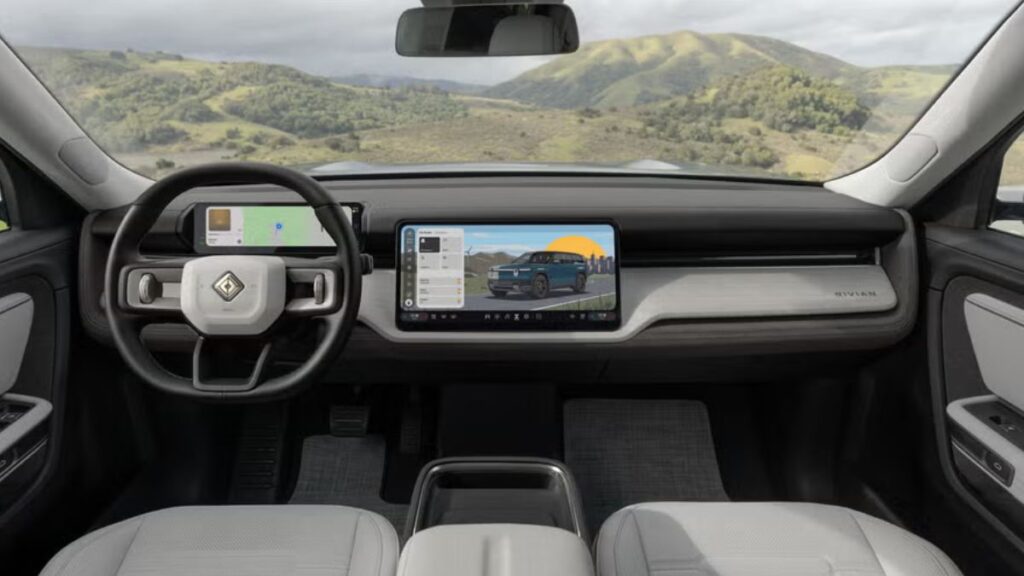
The company first teased a tri-motor R2 variant back in 2024 but held off on details during the March 2026 production reveal. Now it looks like they’re waiting for the Georgia plant to unleash the full performance family.
Rivian’s platform-sharing strategy is textbook smart. One skateboard, multiple body styles, and performance derivatives let them amortize development costs across higher volumes while keeping buyers emotionally invested. The R2 Truck and R2X could be exactly what turns Rivian from a premium niche player into a true mass-market force.
Volkswagen’s Big Bet Gives Rivian Room to Dream
None of this expansion talk happens in a vacuum. Just before Scaringe’s interview, Volkswagen finalized another $1 billion investment, pushing its stake in Rivian to 15.9 percent and leapfrogging Amazon as the largest shareholder. This is part of a larger $5.8 billion partnership that includes joint software and electrical architecture work.
For Rivian, the cash and engineering collaboration provide breathing room to develop these variants without the usual startup cash-burn panic. For VW, it’s a fast track to better EV tech for its own struggling lineup. The partnership already helped accelerate R2 production, and future milestones could unlock even more funding.
VW didn’t invest $1 billion because it loves American startups—it sees Rivian’s software and flexible platforms as the solution to its own EV software headaches. In return, Rivian gets the capital to expand the R2 family aggressively. This is classic win-win that could reshape the affordable EV truck and SUV market for the rest of the decade.
What This Means for Enthusiasts and the Broader Market
Let’s be real: the EV market has cooled in some segments, especially with shifting incentives and high interest rates. But demand for practical, fun, and genuinely useful electric vehicles remains strong. An R2 Truck would slot perfectly between the affordable Ford Maverick hybrid crowd and the premium full-size electric truck buyers. It gives families a do-everything vehicle that doesn’t feel like a compromise.
The R2X, meanwhile, keeps the brand’s performance credentials alive. It reminds buyers that going electric doesn’t mean giving up thrill—something traditional automakers are still struggling to communicate.
Timeline-wise, expect the first additional variants to align with Georgia production ramp-up in late 2028 or early 2029. Rivian has learned from the R1 launch delays, so these won’t be rushed. Pricing and exact specs will drop closer to reveal, but early signals point to strong value.
The Bigger Picture for Rivian’s Future
After years of navigating supply-chain issues, high costs, and the brutal economics of building EVs from scratch, Rivian is finally hitting its stride. The R2 launch is the proof-of-concept moment, and these hinted variants show the company is thinking like a mature automaker—planning platforms that can evolve rather than starting from scratch every time.
For automotive enthusiasts, this is exciting news. It means more choices, better value, and vehicles that actually feel special rather than appliance-like. Whether you’re a weekend overlander dreaming of an R2 Truck loaded with gear or a performance junkie eyeing an R2X for track days and back-road blasts, Rivian is building something that fits real life instead of forcing you to adapt to the car.
The road ahead still has challenges—scaling production, hitting profitability targets, and navigating a competitive landscape that includes legacy brands finally waking up to electric trucks. But with a flexible new factory, deep-pocketed partners, and a CEO willing to tease the fun stuff without overpromising, Rivian looks poised to deliver on the promise it made years ago: adventure-ready EVs that normal people can actually afford and love.
If these R2 variants come to fruition—and everything points that way—2028 could mark the year Rivian stops being the cool underdog and becomes one of the defining forces in the electric truck and SUV world. For those of us who’ve been following the brand since the R1T reveal, it feels like the payoff we’ve been waiting for.