
Eleven crashes. Ten injured people. One federal probe that now covers 1,236,155 SUVs. The Ford Explorer airbag investigation opened by NHTSA on November 6, 2026, centers on seat-mounted side airbags that allegedly left drivers and front passengers with second- and third-degree burns. If you own or plan to buy a 2021–2026 Explorer, you don’t need to panic, but you do need to watch this case, because it’s the kind that can turn into a large recall.
Quick answer: NHTSA opened Preliminary Evaluation PE26008 on November 6, 2026, into an estimated 1,236,155 Ford Explorers from the 2021–2026 model years. The agency says deployment of the seat-mounted side airbag may cause serious burns to front occupants. There’s no recall yet, and no deaths are reported, so no repair exists today.
What NHTSA says happened in these Explorers
The agency’s opening resume for PE26008 lists 8 Vehicle Owner Questionnaires and 4 Early Warning Reporting “Death and Injury” reports. After removing duplicates, that’s 11 incidents, all crashes, with 10 injuries and zero fatalities. The burns were “typically diagnosed as second or third-degree burns requiring medical treatment,” according to the filing.
The injured people sat up front: drivers and front passengers. Some reports came from law enforcement officers whose Explorer Police Interceptors deployed their side airbags. Any fix would likely cover both versions.
One correction for anyone reading other coverage. Car and Driver’s November 9 report described the bags as front airbags in one line, but NHTSA’s own document names the seat-mounted side airbag. We’re going with the regulator’s wording.
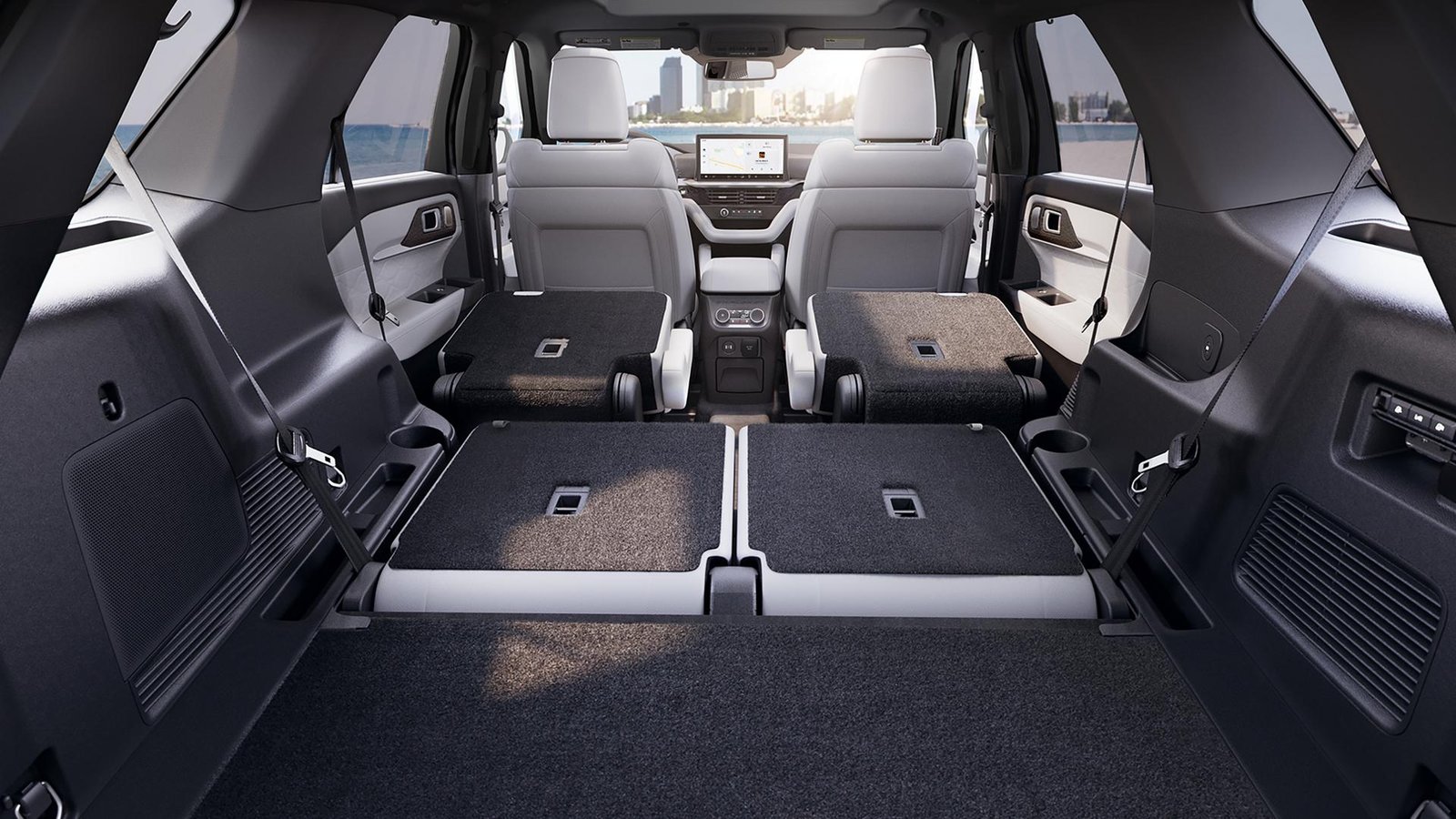
Why would a side airbag burn you?
An airbag doesn’t fill with air. A small pyrotechnic inflator burns a propellant and dumps hot gas into the bag in a few hundredths of a second, then that gas vents out through openings in the fabric. Front airbags have room to vent away from you. A seat-mounted side bag fires out of the seatback bolster, inches from your ribs, arm and hip.
The filing doesn’t name a cause yet. Our read: a burn pattern limited to front seats points at the seat-mounted module itself rather than the curtain airbags overhead.
Is there a Ford Explorer airbag recall yet?
No. A Preliminary Evaluation is the first formal step in NHTSA’s defect process. The agency says this PE will “evaluate the scope, frequency, and potential safety-related consequences” of the problem. If it finds enough, it can upgrade the case to an Engineering Analysis, and from there Ford either recalls the vehicles voluntarily or NHTSA pushes for one.
Until a recall is filed, a VIN check won’t show anything for this issue, and your Ford dealer has no repair to perform. Don’t read a clean VIN lookup as an all-clear on this specific problem.
Put 11 incidents against 1.2 million SUVs
Do the math and you get roughly one reported incident for every 112,000 Explorers in the population. That’s our calculation from NHTSA’s numbers, and it’s a floor, not a rate, because many minor-crash burns never reach a federal complaint.
Low frequency doesn’t mean low severity. The airbag still protects your torso in a side impact, so disabling it is the wrong response.
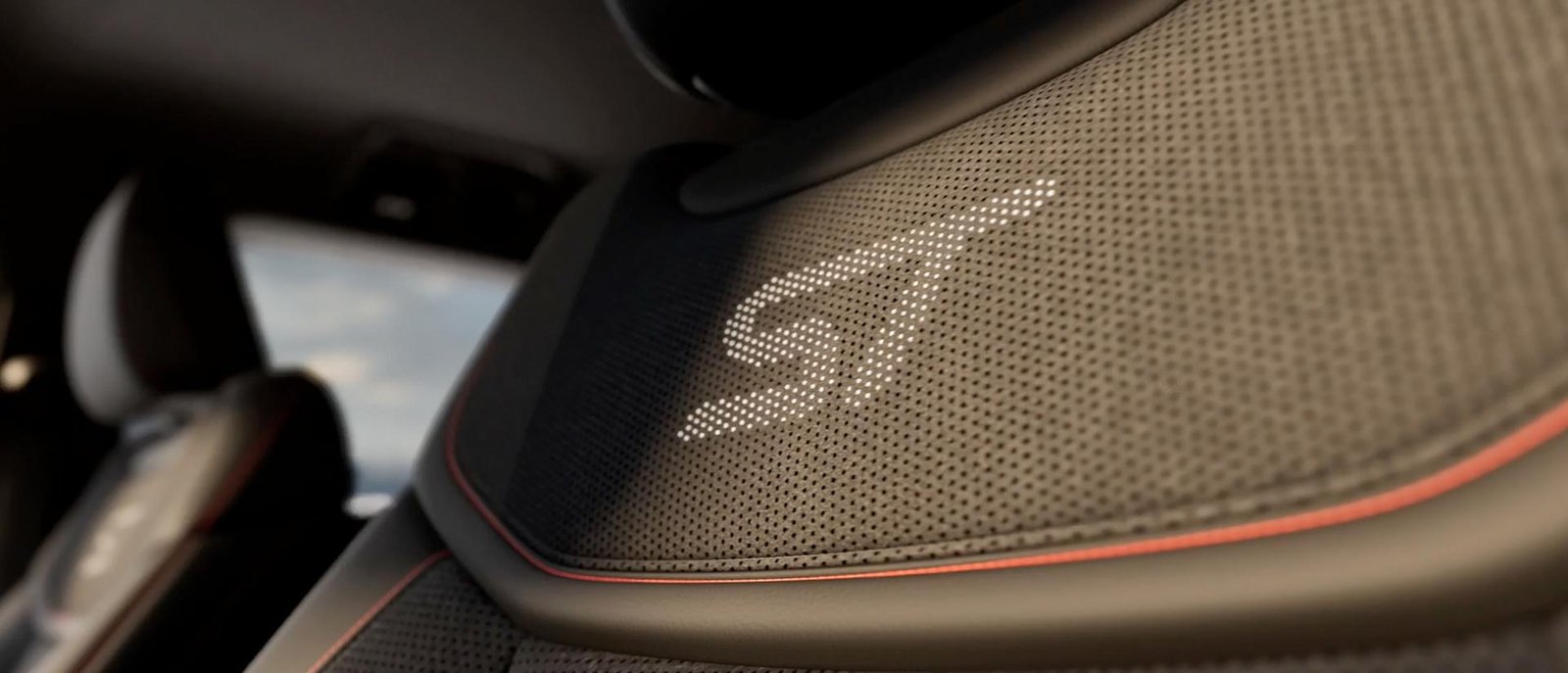
What Explorer owners and shoppers should do now
If you own a 2021–2026 Explorer, register your current address with Ford and sign up for NHTSA recall alerts at NHTSA.gov/recalls. Recall letters go to the address on your registration, and buyers of used SUVs are the ones who most often miss them. If an airbag burned you, file a complaint with NHTSA.
Skip aftermarket seat covers unless they’re specifically made for seats with side airbags, because a cover can change where the bag breaks through the seam. Also keep elbows and bare arms off the door-side bolster on long drives, since that’s the deployment path.
Shopping used? A 2021–2026 Explorer is still a reasonable buy, but run the VIN for the recalls that do exist and be careful with retired Police Interceptors, which often sell at auction with no paper trail.
How this fits Ford’s 2026 recall run
Ford has already had a heavy year with NHTSA, from its repeat rearview camera recalls to the F-150 and Super Duty tailgate cable recall and the Lincoln Nautilus Hybrid neutral-shift recall. For a recent comparison, see how Hyundai handled its Kona Electric airbag recall with a software update.
We’ll update this story if NHTSA upgrades the case or Ford files a recall.
Ford Explorer airbag investigation: your questions
Which Ford Explorers are in the airbag investigation?
NHTSA’s Preliminary Evaluation PE26008 covers 2021–2026 model year Ford Explorers, an estimated 1,236,155 vehicles. The complaints include civilian SUVs and some Explorer Police Interceptors. The focus is the seat-mounted side airbag in the front seats, which may cause serious burns when it deploys. No other Ford models are named in the filing.
Is the Explorer airbag probe a recall?
No. It’s a Preliminary Evaluation, the first step in NHTSA’s defect process. There’s no recall and no repair yet, so a VIN lookup won’t show anything for this issue. If NHTSA finds a safety defect, the case can move to an Engineering Analysis and then to a recall that Ford would fix at no cost to owners.
Should I stop driving my Ford Explorer?
NHTSA hasn’t issued any do-not-drive warning. The side airbag still protects your torso in a side crash, so don’t disconnect it. Keep your registration address current, sign up for NHTSA recall alerts, avoid non-airbag-compatible seat covers, and report any burn injury from an airbag deployment to NHTSA so investigators can count it.
The bottom line on the Ford Explorer airbag investigation: 11 incidents across 1.2 million SUVs is a small number, but 10 of them ended in injuries and most in serious burns, which is exactly the pattern that pushes a Preliminary Evaluation toward a recall.