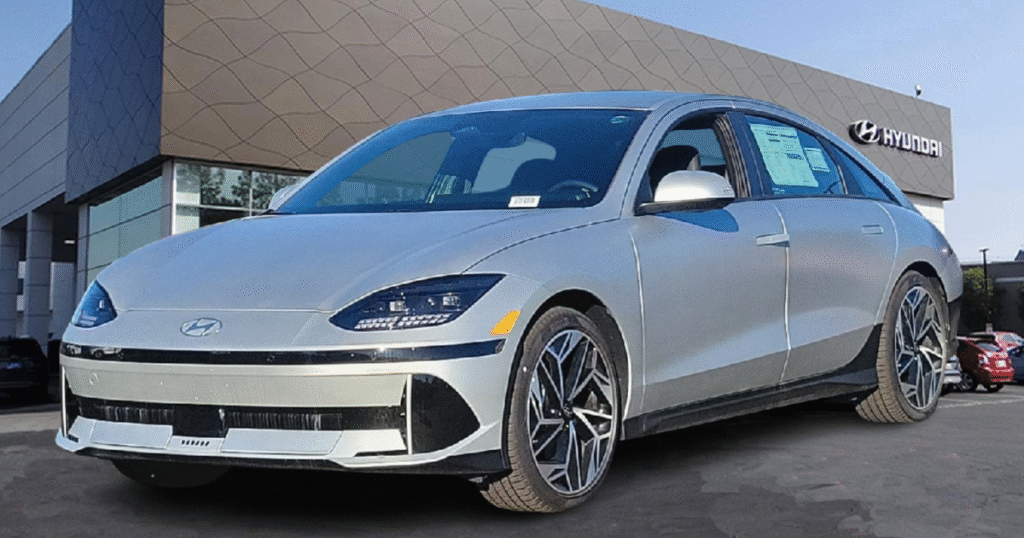
- Toyota Small Pickup Ford Maverick Rival. Toyota is confirmed to build a small pickup truck starting around $30,000 to compete directly with the Ford Maverick and Hyundai Santa Cruz
- The vehicle will feature unibody construction, a hybrid powertrain, and towing capacity comparable to competitors, launching in 2027
- Toyota expects to sell between 100,000 and 150,000 units annually in the U.S., tapping into the rapidly expanding affordable compact truck market
The automotive landscape is shifting dramatically in favor of budget-friendly utility vehicles. Toyota, one of the world’s most respected truck manufacturers, has officially confirmed its strategic push into the booming small pickup market. The company is developing a new compact pickup truck that will directly confront competitors like the Ford Maverick and Hyundai Santa Cruz, creating what many industry experts believe will be a transformative moment for entry-level truck buyers across America.
Cooper Ericksen, Toyota Motor North America’s head of planning and strategy, made the announcement definitive during recent industry discussions. He stated clearly, “Decisions have been made. The question is when we can slot it in. It’s not a matter of ‘if’ at this point.” This declaration signals Toyota’s unwavering commitment to capturing market share in a segment that has exploded in popularity over the past few years.
The timing of this move reflects Toyota’s recognition of a significant market opportunity. When the Ford Maverick first entered the market in late 2021, followed by Hyundai’s Santa Cruz, both vehicles quickly demonstrated strong consumer demand for affordable, practical pickup solutions. The Ford Maverick alone sold over 12,000 units in July 2025, outselling numerous other vehicles in Ford’s broader lineup and proving that buyers are hungry for accessible truck ownership.
Understanding Toyota’s Small Pickup Strategy and Market Demand
Toyota’s decision to develop this affordable small pickup isn’t made in a vacuum. Company research indicates robust market potential, with internal estimates suggesting sales between 100,000 and 150,000 units annually in the U.S. market alone. This projection reflects genuine consumer appetite for vehicles that balance affordability with practical truck capabilities, appealing to both urban drivers and weekend adventurers.
The market context makes this development particularly significant. Traditional full-size and mid-size trucks remain expensive, and the Toyota Tacoma starts around $31,590, placing it above many buyers’ budgets. By introducing a compact pickup under the Tacoma in its lineup, Toyota addresses a clear pricing gap while maintaining brand consistency throughout its truck portfolio. The targeted $30,000 starting price aligns closely with the Ford Maverick’s competitive positioning and undercuts the Toyota Tacoma, making it an attractive entry point for new truck buyers.
The Ford Maverick rival strategy reflects broader industry trends. Compact unibody pickups have proven they’re not merely novelties but legitimate market segments with staying power. These vehicles offer something distinct from traditional ladder-frame trucks: lighter weight, better fuel economy, and sufficient towing capacity for most consumer needs. Toyota’s recognition of this trend positions the automaker to leverage its decades of truck manufacturing expertise while adapting to evolving buyer preferences.
Unibody Platform and Powertrain Architecture
Toyota’s upcoming small pickup will utilize unibody construction based on a variant of the TNGA (Toyota New Global Architecture) platform, likely drawing from the same engineering foundation as the redesigned RAV4. This architectural choice distinguishes it from Toyota’s body-on-frame Tacoma and Tundra lineups, enabling lighter weight and improved fuel efficiency while maintaining respectable capability.
The TNGA platform choice offers meaningful advantages. The RAV4’s platform currently supports up to 3,500 pounds of towing capacity, a benchmark that Toyota will likely optimize upward to match or exceed the Ford Maverick’s 4,000-pound capacity. This equalization ensures the Toyota small pickup won’t be perceived as underpowered compared to its primary rival vehicles.
The powertrain strategy centers on hybrid technology, a Toyota hallmark. The compact truck will feature a hybrid-only approach, potentially incorporating a 2.5-liter four-cylinder hybrid engine producing 226 to 236 horsepower. Some industry observers speculate about a plug-in hybrid variant similar to the RAV4 Prime, which could deliver up to 320 horsepower, creating a performance advantage over the Ford Maverick hybrid. Regardless of the final specification, the hybrid focus ensures excellent fuel economy and aligns with Toyota’s broader electrification strategy.
These technical decisions reflect Toyota’s design philosophy: delivering vehicles that satisfy practical transportation needs without unnecessary complexity or excessive weight. The compact truck will feature available all-wheel-drive configurations, off-road capability elements, and the kind of build quality that Toyota buyers expect across its truck lineup.
Expected Features and Competitive Positioning
Toyota’s engineering team has accumulated more than a century of collective experience building pickup trucks for diverse global markets. This expertise translates into thoughtful design decisions for the new compact offering. The vehicle will include practical features that appeal to both urban professionals and rural property owners.
Expect a truck bed with useful accessories, hooks, and organizational features tailored to the compact category. Interior design will balance the rugged truck identity with modern convenience technology, including connectivity features and advanced driver assistance systems. The platform’s light unibody construction means responsive handling and nimble maneuverability in urban environments while maintaining sufficient ground clearance and approach angles for light off-road exploration.
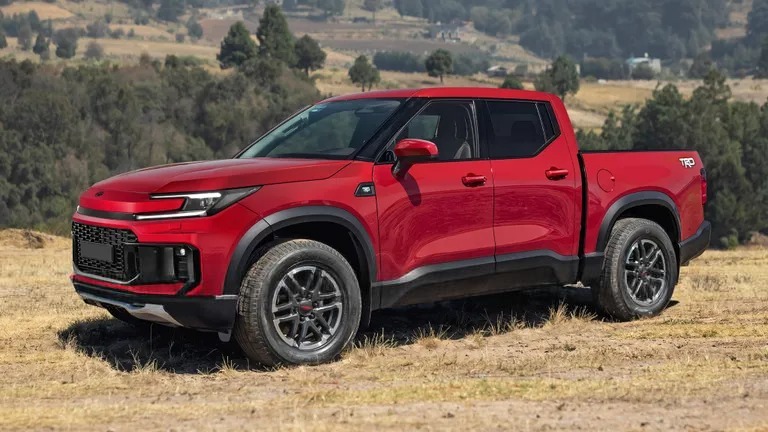
As a direct Ford Maverick rival, the Toyota small pickup will need to compete on value proposition. The Maverick’s strong market reception, built on hybrid efficiency, affordable pricing, and surprising capability, has established the benchmark. Toyota’s vehicle must match or exceed these qualities while leveraging Toyota’s brand reputation for reliability and resale value.
Industry analysts anticipate trim level options spanning from basic utility-focused models to more luxurious TRD or Limited variations, likely ranging from $30,000 to approximately $45,000 for fully equipped versions. This pricing strategy positions the vehicle competitively against both the Ford Maverick hybrid and Hyundai Santa Cruz while maintaining clear daylight below the Toyota Tacoma.
Market Impact and Timeline Expectations
The arrival of a Toyota small pickup will reshape buyer options in the affordable truck category. Currently, the Ford Maverick has dominated the market conversation with its sub-$30,000 pricing and hybrid standard. While the Hyundai Santa Cruz offers alternative styling and SUV-like ride characteristics, Toyota’s entry will bring the manufacturer’s brand prestige, reliability reputation, and service network advantages to the segment.
The timing, however, requires patience. Toyota is targeting a 2027 debut for this compact pickup, meaning interested buyers face a wait of approximately two years. This delay reflects Toyota’s stretched engineering resources, as the company simultaneously develops hybrid and electric variants across its entire product portfolio. The company is simultaneously engineering fifth and sixth-generation hybrid systems while expanding its battery-electric vehicle offerings, necessitating careful prioritization of development timelines.
The extended timeline also provides advantages. Toyota can observe how the Ford Maverick and Hyundai Santa Cruz markets evolve, refine its own design and capability offerings, and ensure manufacturing readiness. The Japanese automaker’s commitment to thorough development before launch aligns with its reputation for reliability and refined execution.
Production will likely occur at existing Toyota North American facilities in Ontario, Canada, and Kentucky, utilizing available manufacturing capacity without requiring new plant investments. This approach reduces implementation complexity and accelerates the vehicle’s journey from development to dealership floors.
Building Toyota’s Comprehensive Truck Portfolio
The addition of this affordable small pickup completes Toyota’s truck portfolio strategy. The lineup now spans from the entry-level compact pickup starting near $30,000, through the mid-size Tacoma beginning around $33,000, to the full-size Tundra addressing maximum-capability requirements. This three-tier structure addresses diverse buyer needs and price points while allowing Toyota to compete effectively across multiple market segments.
Toyota’s truck legacy provides confidence in this expansion. The Tacoma remains a market favorite despite its premium pricing, thanks to superior build quality, off-road reputation, and exceptional resale value. The Tundra commands respect for its powerful engine options, capacity, and durability. The forthcoming Toyota small pickup inherits these brand attributes while introducing more accessible pricing.
This portfolio approach reflects sophisticated market understanding. Urban professionals seeking fuel-efficient daily transportation can select the compact pickup. Buyers requiring greater payload capacity or towing power can step up to the Tacoma. Those needing maximum hauling capability and luxury features can invest in the Tundra. By offering options across price and capability spectrums, Toyota ensures it captures a broader customer base than any single vehicle could achieve.
The compact pickup’s development also acknowledges generational shifts in truck ownership. Younger buyers often lack the budget for traditional mid-size or full-size trucks. Environmental consciousness increasingly influences powertrain preferences. Urban density concentrates buyer populations in areas where compact vehicles serve practical purposes. Toyota’s strategy recognizes these realities while maintaining truck authenticity and capability.
Conclusion
Toyota’s confirmed entry into the affordable compact pickup market represents a significant moment in American automotive history. The Ford Maverick rival will arrive in 2027 with proven hybrid technology, Toyota’s quality reputation, and pricing that democratizes truck ownership. While the two-year wait may test buyer patience, Toyota’s commitment to thorough development and manufacturing readiness suggests the final product will reward that patience.
The small pickup market’s continued growth appears assured. As consumers increasingly seek practical, efficient, and affordable transportation solutions, vehicles like the upcoming Toyota compact truck will occupy an essential market niche. Toyota’s entry validates this segment’s legitimacy while introducing the world’s leading automaker’s engineering expertise to a category previously dominated by Ford and Hyundai.
For buyers seeking an entry-level pickup truck experience, the prospect of a Toyota small pickup under $30,000 represents genuine choice and opportunity. When it arrives, this vehicle will fundamentally reshape how Americans think about affordable truck ownership and practical personal transportation.